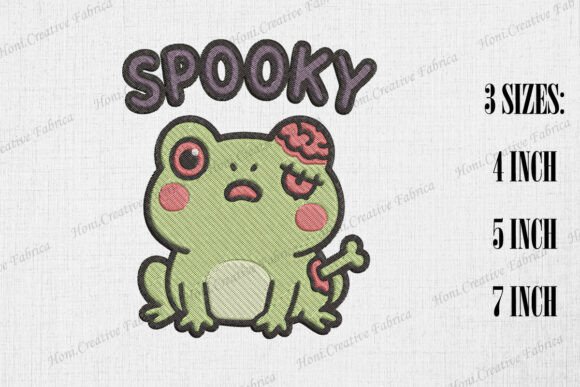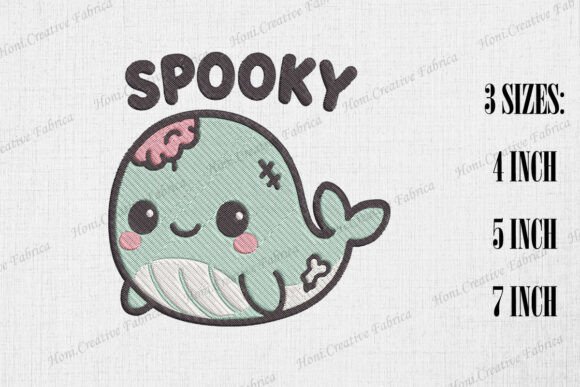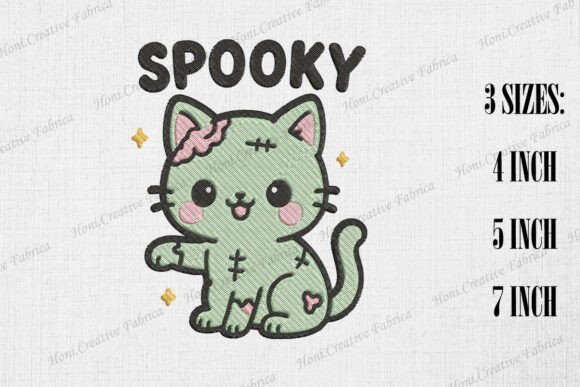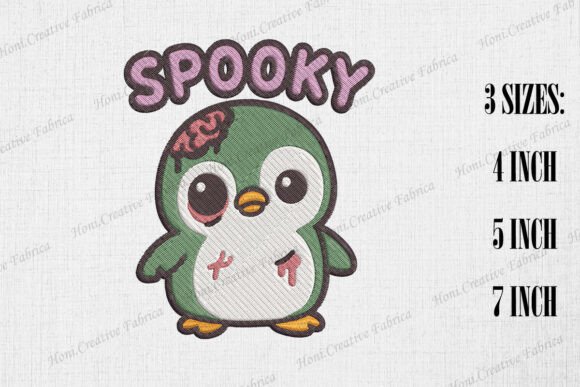
Cute Zombie Rabbit Spooky Halloween
First Stitch, First Impression
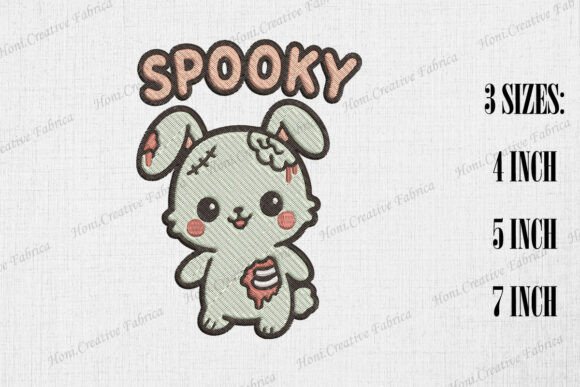
When I opened Cute Zombie Rabbit Spooky Halloween for the first time, I didn’t see “cute” and “zombie” as opposites—I saw balance. The design leans into playful irony: floppy ears with subtle stitch-defined stitches, a lopsided grin stitched in soft satin, one eye slightly crossed, the other half-lidded with delicate fill-stitch shading. It’s not grotesque—it’s mischievous. That matters. For a machine embroidery design meant for baby onesies, kitchen towels, or boutique sweatshirts, tone is everything. This isn’t a horror motif; it’s Halloween charm with personality. And that makes it unusually versatile.
A Real Project Test: Embroidering a Linen Tea Towel
Last week, I used Cute Zombie Rabbit Spooky Halloween on a natural linen tea towel—medium-weight, slightly textured, no stretch. I hooped it with medium tear-away stabilizer (no cutaway needed here), chose matte cotton thread in charcoal grey and bone white, and ran it at 75% speed. The result? Crisp outlines, smooth satin-stitched ears, and just enough fill-stitch texture in the cheeks to read as “soft zombie fluff”—not flat filler. Customers browsing my small shop online paused longer on this item than any other seasonal listing. Why? Because it felt handmade, intentional, and emotionally resonant—not like a generic clipart transfer.
Where It Shines—and Where It Needs Care
- Custom apparel: Works beautifully on cotton-blend crewnecks and relaxed-fit tees. The shape sits comfortably across the chest or upper back—no awkward stretching or distortion.
- Baby embroidery: Gentle curves and rounded features make it ideal for onesies and burp cloths—but avoid ultra-thin interlock knits without extra stabilizer support.
- Embroidered patch: Clean outer edge and moderate stitch density mean it patches well onto denim jackets or backpacks. Just trim closely after stitching and seal edges if washing frequently.
- Tote bag design: Holds up even on canvas with minimal puckering—especially when placed near the bottom seam where fabric tension is stable.
- Holiday embroidery: Stands out on black or navy kitchen towels without needing metallic thread. Its visual weight reads clearly at 4–5 inches wide.
Fabrics That Ask for Extra Attention
This design walks a fine line between detail and practicality—and that means some surfaces demand caution. On stretchy fabric like jersey or ribbed knit, the satin-stitched ears can shift unless you use cutaway + topping. On dark fabric, double-check your thread contrast: light grey fills may disappear against charcoal fleece unless you add a white underlay (which the file doesn’t include—so test that manually). And while it scales down nicely to ~3.5", avoid going smaller than 3" on caps or curved surfaces—the cross-eyed detail blurs, and the mouth loses its expressive tilt.
What It Does for Your Craft Business
As an Etsy seller and small shop owner, I treat every embroidery file like inventory: does it convert? Does it reflect well on my brand? Cute Zombie Rabbit Spooky Halloween consistently boosts engagement because it’s memorable but not polarizing. Parents love it on baby gifts. Teens snap photos of it on tote bags. Even grandparents chuckle—and then order two. That kind of emotional resonance builds trust. It also pairs cleanly with simple fonts in printable mockups, making digital product previews feel cohesive and professional. No need to over-design around it; the motif carries the story.
Practical Designer Notes Before You Stitch
- Always run a test on scrap fabric matching your final project’s weight and weave.
- Review stitch density visually—not just numerically. Look for tight clusters in the ear tips or cheek shading that might cause thread buildup on low-pile fabrics.
- Confirm hoop size compatibility. This design fits comfortably in a 5x7 hoop, but verify before hooping expensive garments.
- Inspect tiny details: the nostril stitch, the subtle zigzag in the teeth line. If those vanish on your machine, adjust tension or needle size—not the file.
- Try a black-and-white mockup first. It reveals value contrast better than color previews—and tells you whether it’ll pop on dark backgrounds.
- Use proper stabilizer. Medium tear-away works for most uses, but switch to cutaway for knits or layered items like reversible pillow covers.
- Check licensing. Since this is listed under Freebies, confirm whether commercial use (e.g., selling finished embroidered sweatshirts) is permitted—don’t assume.
Final Thought: Not Just Another Halloween File
Cute Zombie Rabbit Spooky Halloween succeeds because it understands context. It doesn’t shout “Halloween!”—it whispers it with charm, wit, and quiet craftsmanship. As a machine embroidery design, it respects the limits of thread and fabric while still delivering character. Whether you’re embroidering a personalized gift for a toddler’s first October, stocking a holiday craft fair booth, or building a seasonal collection for your digital embroidery shop, this design earns its place—not as filler, but as a thoughtful, repeatable asset. It’s the kind of embroidery file that makes customers say, “Wait—where did you get *that*?” And that’s the best kind of marketing there is.