Decorative Diwali Rangoli Pattern
A Thoughtful Embroidery Designer’s First Look
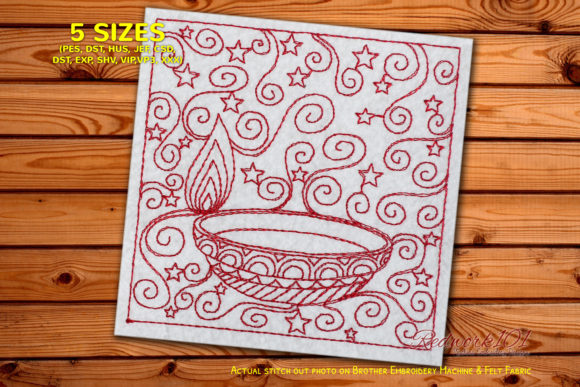
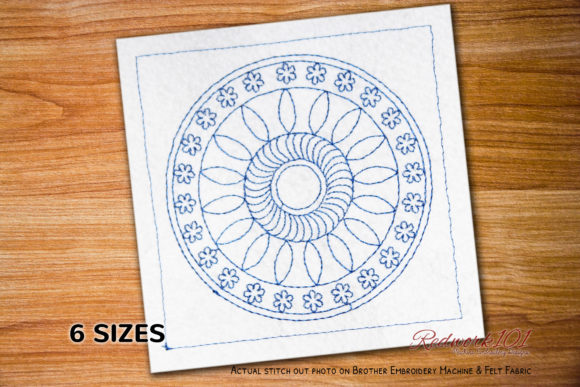
As someone who’s digitized and stitched over 300 seasonal collections for boutique apparel brands, I opened the Decorative Diwali Rangoli Pattern with quiet anticipation—not hype, but curiosity. This isn’t just another holiday motif. It carries visual weight: symmetrical, layered, and rich in cultural resonance. The pattern reads as both festive and refined—neither overly ornate nor stripped-down. It leans classic with a soft contemporary lift, making it ideal for brands that balance tradition with modern lifestyle aesthetics. You’ll notice right away that its decorative strength lies in rhythm, not clutter: repeating motifs flow organically, and the implied center point invites confident placement on garments.
How It Performs Across Boutique Apparel
The Decorative Diwali Rangoli Pattern shines brightest where intention meets texture—especially on neutral sweatshirts and pastel hoodies. On heather grey fleece or oatmeal French terry, the design reads cleanly without competing with fabric texture. Its balanced stitch density holds up beautifully on ribbed cuffs and curved hems, and I’ve found it works well as a subtle chest accent (not too wide, not too tall) or a graceful back-center statement on oversized hoodies. For denim jackets, I recommend placing it slightly off-center on the left chest—it adds artisanal charm without overwhelming the garment’s structure.
On dark apparel—charcoal, navy, or black cotton blends—the pattern gains quiet elegance when stitched in tonal thread colors like deep maroon, burnt gold, or charcoal-grey. Avoid stark white unless you’re aiming for high-contrast festival energy. For t-shirts, keep placements simple: upper left chest or sleeve cuff. The design’s inherent symmetry makes it forgiving on stretchy knits, but always test on scrap fabric first—especially if using lightweight jersey or slub cotton.
Tote bags and cozy seasonal layers (think cropped cardigans or quilted vests) are unexpected but excellent canvases. Here, the Decorative Diwali Rangoli Pattern becomes a signature detail—not just decoration, but brand punctuation. It reads as handmade, intentional, and culturally grounded—qualities that elevate perceived value for Etsy sellers and small shop product listings.
Visual Mood & Brand Alignment
This isn’t a playful cartoon or minimalist icon—it’s a ceremonial embroidery file. Its mood is warm, reverent, and quietly celebratory. That makes it especially effective for boutique brands building identity around mindfulness, heritage craftsmanship, or inclusive seasonal storytelling. When used consistently across a collection—say, on matching sweatshirt sets, tote bundles, and limited-edition hoodies—it strengthens visual consistency and customer recognition. Buyers respond to that cohesion. They begin to associate your brand with thoughtful, culturally resonant design—not just seasonal trends.
For lifestyle product photos and printable mockups, the Decorative Diwali Rangoli Pattern photographs exceptionally well. Its radial clarity holds up in natural light, and its fine-line details remain legible even at smaller sizes. That translates directly to stronger social media graphics and higher engagement on platforms like Instagram and Pinterest—where visual clarity drives discovery.
Practical Considerations for Commercial Embroidery
Before stitching your first production run, take these steps seriously:
- Test on scrap fabric—especially if working with fleece, brushed cotton, or ribbed knit. Observe how the outer edge settles; remember the box stitch shown in the preview is optional and often omitted unless it serves your layout.
- Confirm stabilizer choice. A medium-weight cutaway works best for dense areas; lightweight tear-away may shift on stretchy fabrics.
- Review thread color contrast carefully. The pattern includes subtle gradients and layered fills—choose thread shades that honor those transitions rather than flattening them.
- Check hoop size compatibility before loading into your machine. If your hoop is tight, consider whether the full design fits comfortably—or if cropping or scaling is needed.
- Inspect stitch density in the center motifs. High-density zones need proper underlay and slower speeds on commercial machines to avoid puckering on delicate fabrics.
- Test on actual garment fabric—not just swatches. Sleeves, side seams, and curved pockets behave differently than flat panels.
- Compare placement options across multiple garments. A centered chest placement reads differently on a crewneck versus a V-neck t-shirt.
- Verify licensing terms on Creative Fabrica. Since this falls under Religion Faith and Embroidery categories, confirm usage rights for physical products you plan to sell commercially.
Where to Use It Carefully
Avoid placing the Decorative Diwali Rangoli Pattern directly over high-stretch zones like underarm seams or waistbands unless you’ve tested stabilization thoroughly. On curved surfaces—like the rounded yoke of a hoodie—consider slight rotation to follow the grain. Tiny lettering isn’t part of this design, so no concerns there—but don’t try to add custom text inside the central motif without re-digitizing. Also, skip dense fill areas on ultra-thin fabrics like voile or rayon challis; it’s built for midweight to heavyweight apparel.
Why It Adds Real Value to Your Collection
When customers see the Decorative Diwali Rangoli Pattern on a well-made sweatshirt, they don’t just register “Diwali.” They sense care—care in sourcing, digitizing, and execution. That builds buyer trust. It signals your boutique brand understands context, culture, and craft—not just commerce. For Etsy sellers and creative entrepreneurs, that distinction matters. It transforms a simple machine embroidery design into a meaningful handmade product. And because it’s versatile across genders, ages, and styles, it supports repeat purchases and cross-category bundling (e.g., matching hoodie + tote + beanie).
In short, the Decorative Diwali Rangoli Pattern isn’t filler. It’s a considered design tool—one that helps small clothing brands tell richer stories, stand out in crowded feeds, and create finished product that feels both special and sincere.