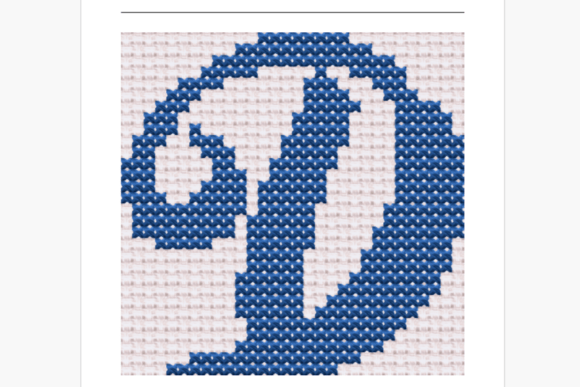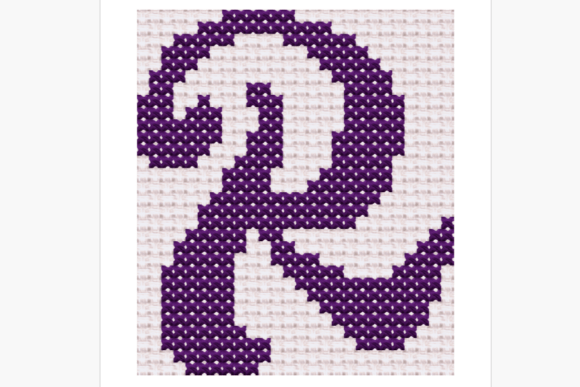
Handwritten Letter R Cross Stitch
A Designer’s First Look: Charm, Clarity, and Quiet Confidence
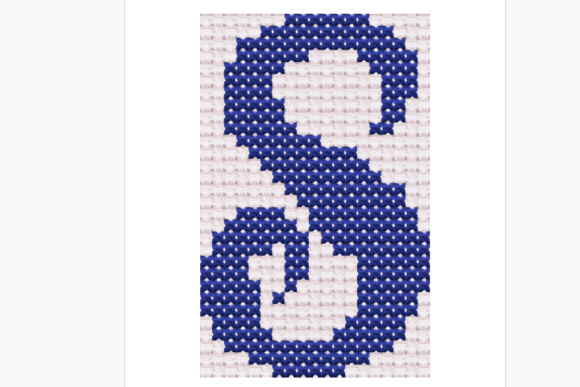
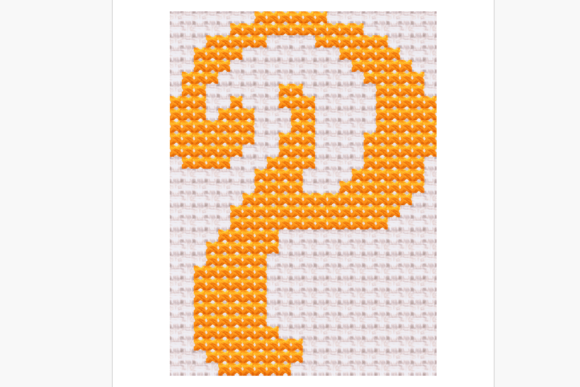
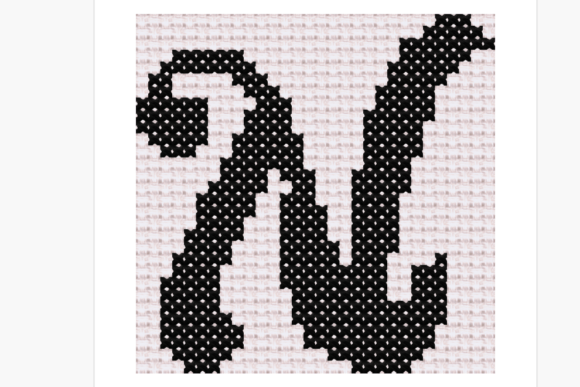
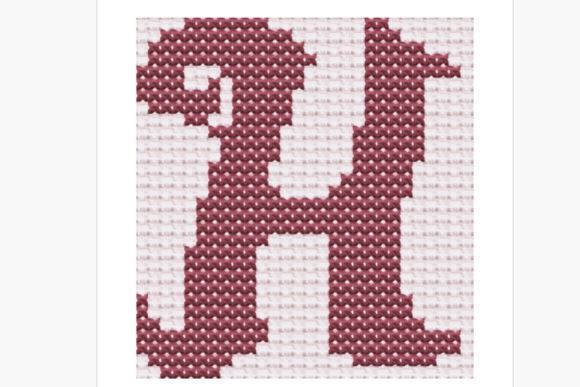
As someone who’s stitched monograms for baby blankets, wedding keepsakes, and boutique kitchen towels for over 12 years, my first impression of Handwritten Letter R Cross Stitch was immediate—and genuinely warm. It doesn’t shout. It leans in. The script-inspired flow feels intentionally unhurried: soft curves, subtle variation in stroke weight, and a gentle rhythm that reads as both modern and timelessly handmade. There’s no sharp geometry or digital stiffness—just the quiet confidence of ink on paper translated into stitch. It’s elegant without being formal, sweet without being cutesy, and personal without feeling private. That balance is rare in single-letter cross stitch patterns—and it’s exactly what makes Handwritten Letter R Cross Stitch a standout for personalized gift products.
Where This Design Truly Shines
This isn’t just a letter—it’s an emotional anchor. When paired with the right product, Handwritten Letter R Cross Stitch becomes part of a story. Here’s where it lands with real resonance:
- Baby embroidery: On a gauzy muslin swaddle or organic cotton onesie, it whispers “Riley” or “Rose” with tenderness—not branding, but belonging.
- Wedding gifts: Embroidered onto linen napkins, a velvet pillow cover, or a custom tote for the bridal party, it adds heirloom warmth to monogrammed elegance.
- Nursery decor: Stitched onto a framed sampler, a wooden wall plaque (with fabric backing), or a minimalist mobile, it supports calm, intentional design—not clutter.
- Embroidered towel & kitchen textiles: Its clean 30 x 30 stitch footprint holds beautifully on terry cloth when stabilized well—no bleeding, no distortion.
- Pillow covers & blanket embroidery: Whether on linen, cotton duck, or lightweight wool-blend, the script flows naturally across fabric grain.
- Etsy seller & small shop product: As a digital embroidery file, it pairs effortlessly with printable mockups—ideal for listing variations (“R for Rachel,” “R for Rowan”) without reshooting photos.
Where to Use Thoughtfully—Not Avoid
Like any thoughtful design, Handwritten Letter R Cross Stitch thrives with intention—not everywhere. Keep these considerations in mind:
- Small lettering on curved surfaces: Avoid stitching directly onto rounded mug cozies or tapered candle sleeves—the script’s fluidity can distort. Stick to flat or gently contoured items like tote bags or apron pockets.
- Stretchy or ultra-thin fabrics: Baby knits or ribbed jersey require extra stabilizer and testing. The fine line work may blur if the ground fabric shifts mid-stitch.
- Textured or napped fabrics: Heavy bouclé or thick terry needs careful thread selection—opt for slightly heavier floss or blended threads to ensure legibility.
- Dark fabric: While beautiful on charcoal linen or navy denim, always test contrast. Some light-toned flosses lose definition. A matte black or deep plum floss often reads cleaner than white on darks.
- Frequent-wash items: For embroidered towels or baby bibs, confirm your thread colors are colorfast—and consider a lightweight tear-away stabilizer that fully releases after washing.
Why Customers Choose—and Remember—This Design
Gift buyers don’t just purchase letters—they invest in meaning. Handwritten Letter R Cross Stitch delivers perceived value because it feels chosen, not generated. Its handmade authenticity builds trust: customers see care in the curve of the descender, the spacing between loops, the restraint in its size. That translates directly to higher engagement—longer time-on-page, saved listings, repeat orders for sibling initials. In product photography, it performs exceptionally well: clean lines pop against neutral backdrops, and its modest scale invites close-up shots that highlight texture and craftsmanship. For Etsy sellers and craft fair vendors, it’s a quiet differentiator—proof that your shop values detail, emotion, and wearability over trend-chasing.
Practical Notes from the Hoop
Before stitching for a customer—or listing your first batch—here’s what I tested and recommend:
- Always stitch a test swatch on your intended fabric. Even with identical thread, stitch density shifts across weaves.
- Check thread color contrast under natural and warm artificial light—some creams and greys shift dramatically.
- Confirm hoop size compatibility. Though compact, the 30 x 30 stitch area benefits from at least a 4-inch hoop for consistent tension.
- Review stitch density. This design avoids overly tight clusters—great for beginners—but still rewards even tension. Don’t rush the backstitch outline (if included in your version) —it defines the script’s personality.
- Use appropriate stabilizer: Cut-away for knits, tear-away for stable wovens, and fusible + tear-away for towels.
- Compare light/dark fabric mockups before finalizing product images—subtle differences in floss sheen change buyer perception.
- Inspect small details post-stitch: The finial of the “R”’s leg and the entry stroke of the loop are easy to miss when fatigued. A magnifier helps.
- Verify commercial licensing before selling finished products. As a Graphics-type Cross Stitch Pattern, usage rights vary—always check the original terms.
Final Thought: More Than a Letter—A Gentle Invitation
Handwritten Letter R Cross Stitch doesn’t try to be everything. It’s focused. Intimate. Thoughtfully scaled. That’s its strength. For baby product creators, wedding gift designers, and Etsy sellers building a brand rooted in authenticity, it’s not just another monogram—it’s a gentle invitation to slow down, personalize deeply, and stitch something that feels like home. Use it with care, test with honesty, and let its quiet charm do the rest.