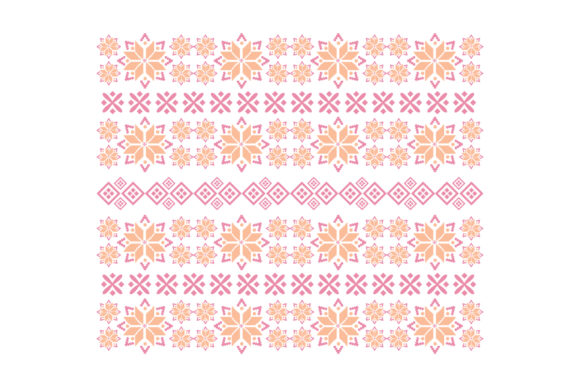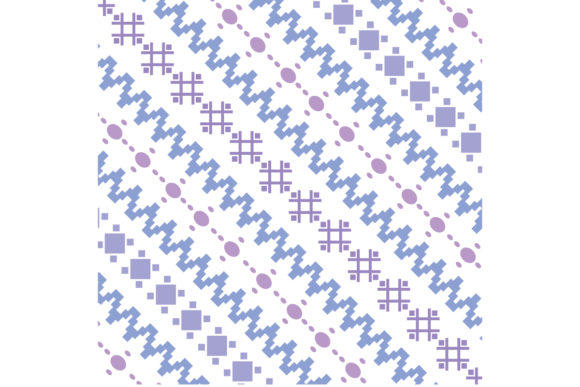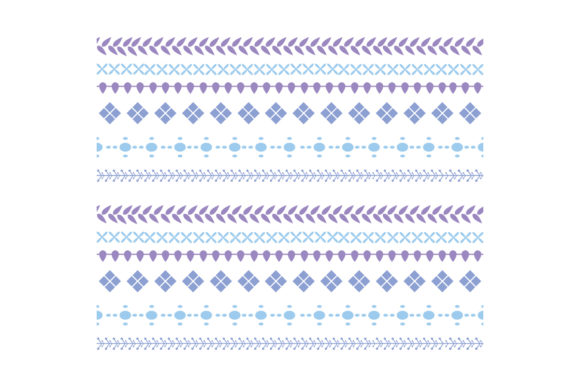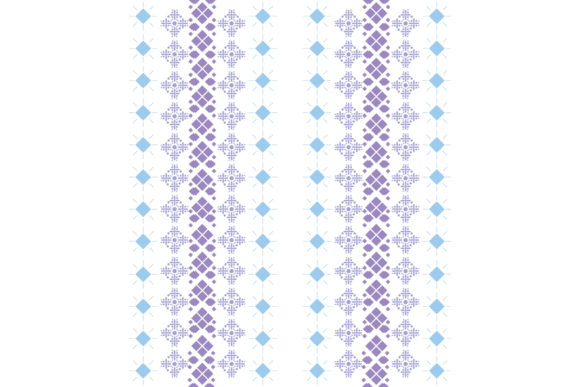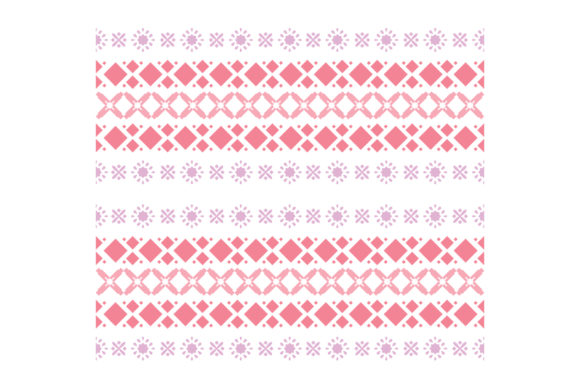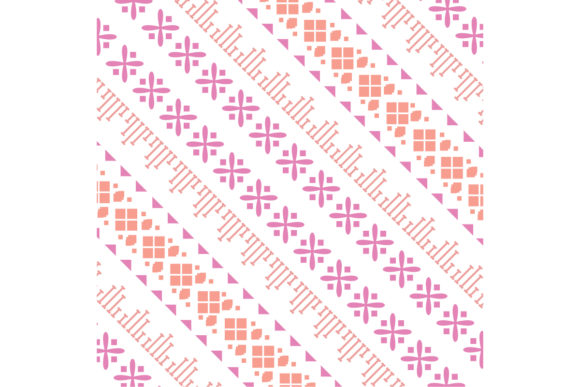
Simple Wall Paper Embroidery Design
A Practical Review for Small Business Merch & Branded Patches
As an embroidery designer who’s digitized over 2,000 commercial projects—from café aprons to florist tote bags—I approached the Simple Wall Paper Embroidery Design with a specific question: Can this work beyond bedroom decor? Its title and description—“Simple wall paper embroidery design for bedroom decorative. Collection”—signal softness and repetition, not bold branding. But don’t dismiss it yet. In the right context, simplicity becomes strength—especially for small businesses that need versatile, scalable, and cost-effective design assets.
First Impression: Quiet Confidence, Not Flash
The name Simple Wall Paper Embroidery Design sets clear expectations: clean lines, rhythmic motifs, likely low-to-moderate stitch density, and intentional negative space. It reads as elegant, handmade, and modern-classic—not playful or industrial. That makes it ideal for businesses leaning into authenticity: a ceramic studio, a slow-fashion boutique, a botanical apothecary, or a neighborhood bakery that values texture over trend. It won’t shout—but it will settle in, consistently, across touchpoints.
Where It Shines in Real Business Use
This design isn’t built for high-contrast chest logos on black uniforms. Instead, it excels where subtlety builds cohesion:
- Embroidered patches: Perfect for sew-on or iron-on backing on denim jackets, canvas tote bags, or staff aprons—especially when layered with a small business name or tagline nearby.
- Cap embroidery: Works beautifully on the side or back of structured caps—not the front panel—where its repeating rhythm adds quiet distinction without overwhelming.
- Tote bag design: As a corner motif or subtle all-over repeat (scaled down), it elevates unbranded canvas into branded merchandise with artisanal weight.
- Apron embroidery: Ideal for lower-hem accents or pocket borders—reinforcing handmade product values without competing with functional details.
- Product packaging accents: When stitched onto fabric labels, twill tags, or gift wrap bands, it signals care and intentionality—key for Etsy sellers and craft-based brands.
- Event merch & customer gifts: Think embroidered tea towels, linen napkins, or mini pouches—where Simple Wall Paper Embroidery Design becomes part of the unboxing experience.
Use With Care: Limits That Protect Your Brand
Not every surface welcomes wallpaper-style repetition. Here’s where caution is essential:
- Small patch sizes (under 2”): Repetition may blur or lose definition. Test at actual scale—what reads as “simple” on screen can become indistinct in thread.
- Cap fronts & curved surfaces: Tight curves distort alignment in repeating patterns. Opt for single motif extraction instead of full repeat placement.
- Dark uniforms or textured fabric: If the design relies on fine outlines or light thread colors, contrast and legibility suffer. Always test on your exact fabric—linen, duck canvas, and twill behave very differently.
- Frequent washing: High stitch density + tight repeats = more friction points. Confirm stabilizer choice matches both fabric and expected wear—especially for staff aprons or reusable totes.
- Commercial embroidery workflows: As a Graphics-type file, verify whether it includes vector paths or just raster previews—critical for clean digitizing. As a Patterns collection, check if motifs are grouped or isolated for flexible reuse.
How It Shapes Brand Identity—Without Saying a Word
Consistency builds trust. When customers see Simple Wall Paper Embroidery Design repeated across your tote bags, staff aprons, and product tags, they subconsciously register continuity, craftsmanship, and attention to detail. It doesn’t scream “BUY NOW”—it whispers “we made this thoughtfully.” That resonance lifts perceived value, especially in markets saturated with generic clipart logos.
For Etsy sellers and handmade brands, this design reinforces authenticity. Unlike hyper-polished vector logos, its wallpaper nature feels tactile and human—ideal for businesses positioning themselves as small-batch, locally rooted, or intentionally analog. It also supports visual consistency across digital and physical assets: use it as a background element in printable mockups, email headers, or social banners to unify your brand ecosystem.
What Every Embroidery Designer Checks Before Production
Before sending Simple Wall Paper Embroidery Design to the hoop—or sharing it with a client—run these practical checks:
- Test in black and white first: Eliminate color bias. Does the motif hold clarity in monochrome? If not, contrast adjustments or simplification may be needed.
- Scale it down to your smallest intended use (e.g., 1.5” patch)—then zoom in. Are outlines crisp? Do adjacent elements bleed together?
- Review thread color contrast against your base fabric. Light threads on light fabric often require underlay or topping—but that increases stitch count and cost.
- Inspect spacing between repeated units. Too tight = stitching crowding; too wide = broken rhythm. Adjust manually if needed.
- Confirm hoop size compatibility. Wallpaper repeats often span larger areas—verify your machine’s maximum embroidery area or plan for multi-hooping.
- Test on real fabric with proper stabilizer. A lightweight tear-away may shift under dense repeat stitching—switch to cut-away or film-type if puckering occurs.
- Create a printable mockup for client approval—showing how the pattern integrates with their logo, tagline, or garment layout.
- Compare it beside other design assets: Does it complement your current logo, typography, and color palette—or compete with them?
- Confirm commercial licensing before using in small business merch, custom apparel, or resale items. Just because it’s labeled “for bedroom decorative” doesn’t guarantee rights for embroidered patches or tote bag design.
In short: Simple Wall Paper Embroidery Design is not a one-size-fits-all logo—but it’s a quietly powerful tool for small businesses building a cohesive, tactile, and trustworthy brand identity. Used intentionally, it transforms everyday items—aprons, caps, totes, tags—into curated extensions of your story. And in today’s market, that kind of thoughtful detail doesn’t just sell products—it builds loyalty.