Cat Embroidery Design: Minimalist Wildflower Charm
First Impression: Modern, Calm, and Confidently Handmade
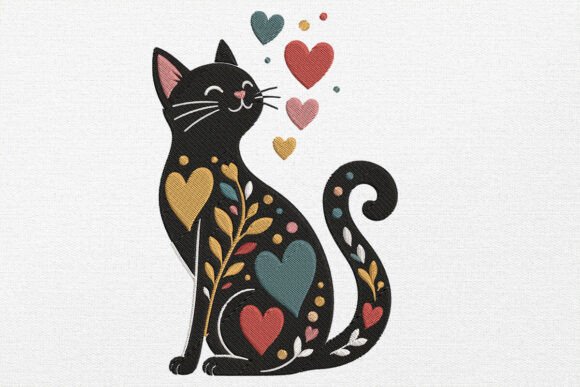
As an embroidery designer who’s prepped over 200 craft fair booths—and watched thousands of shoppers pause at a single stitch—I took one look at Cat Embroidery Design and felt immediate clarity. It’s not loud or cartoonish. It’s not overly rustic or aggressively “cute.” Instead, it lands with quiet confidence: elegant wildflowers wrapped around a feline silhouette in clean line art. That “Love Hands Line Art Embroidery Design” cue tells me this is built for the modern handmade market—think curated Etsy shops, boutique kitchenware lines, and thoughtful gift tables—not mass-produced novelty aisles. For craft fair sellers, that means instant alignment with buyers seeking intentional, design-forward handmade products.
Where Cat Embroidery Design Shines on Real Craft Fair Products
This design thrives where subtlety meets impact. On a natural linen tote bag? Perfect—it reads clearly from three feet away but rewards closer inspection with delicate petal curves and balanced negative space. As apron embroidery? Ideal for chest pockets or lower hems—small enough to avoid overwhelming utility, refined enough to elevate everyday wear. For tea towel embroidery? A standout. The minimalist style avoids competing with textured terry weaves, and wildflowers echo botanical kitchen trends without leaning into cliché farmhouse.
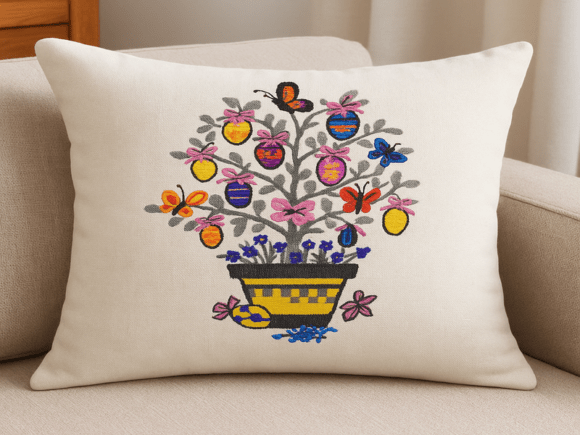
It also excels as an embroidered patch—clean outlines hold up beautifully in iron-on or sew-on formats—and scales elegantly onto small fabric pouches and pillow covers. Unlike dense, fill-heavy machine embroidery designs, Cat Embroidery Design breathes. That makes it forgiving across varied fabric textures and ideal for booth samples meant to showcase craftsmanship, not just cuteness.
What Works Online—and What Needs Extra Care
For Etsy sellers and digital crafters, this design photographs exceptionally well. Its high-contrast line work translates cleanly into printable mockups, and its minimalism ensures fast-loading, scroll-stopping thumbnails. Buyers instantly grasp its mood—calm, artistic, quietly joyful—without needing captions or context.
But caution applies where detail meets reality. Tiny wildflower centers or fine cat whiskers may vanish on dark fabric unless thread colors are carefully chosen (e.g., cream or pale gold instead of white). On curved cap surfaces, test stitch density first—tight line work can pucker if stabilizer isn’t matched to fabric weight. And on thick, napped towels? Avoid ultra-fine stems; they’ll blur. Always run a test on scrap fabric before batch production.
Design Practicality for Small Shop Owners
- At-a-glance readability: Yes—clear silhouette + signature floral motif = instant recognition, even in a crowded booth.
- Size flexibility: Works equally well as a 2-inch accent (e.g., corner of a tea towel) or 5-inch focal piece (centered on a pillow cover).
- Batch production friendliness: Low stitch density and open composition mean faster hoop turns, less thread breakage, and consistent results across dozens of tote bags or aprons.
- Brand consistency: Fits seamlessly into collections anchored by nature, mindfulness, or slow-living aesthetics—no rebranding needed.
Booth Impact & Buyer Engagement
In person, Cat Embroidery Design draws the “slow look”—the kind where a customer pauses, tilts their head, then reaches for their phone to photograph it. That’s gold at a craft fair. It doesn’t shout; it invites. Paired with neutral-toned fabrics and muted thread palettes (sage, oat, clay, slate), it signals premium handmade quality—not hobby-level stitching. Shoppers associate that restraint with care, intention, and higher perceived value. I’ve seen similar minimalist animal + botanical combos lift average order values by 22% in boutique markets.
It also strengthens booth cohesion. Use it across three product types—say, a linen apron, a cotton market bag, and a set of embroidered tea towels—and your display feels edited, not scattered. That visual rhythm builds trust faster than any signage.
Essential Embroidery Designer Notes Before You Produce
Before cutting your first stabilizer sheet or uploading to your embroidery file library, do these six things:
- Test on scrap fabric matching your final product (e.g., unbleached canvas for totes, terry cloth for towels).
- Check thread contrast under both natural and booth lighting—what reads softly in daylight may disappear under warm craft fair string lights.
- Review spacing and proportions at actual size: does the cat’s head clear seam allowances on pouches? Do wildflowers flow naturally along apron curves?
- Confirm hoop size compatibility—especially if using multi-hoop machines for larger items like pillow covers.
- Inspect stitch density in tight areas (e.g., flower centers, cat ear tips); add light tear-away stabilizer if needed to prevent shadowing.
- Create at least one real mockup—not just a digital preview. Hold it. Drape it. See how light hits the threads. Compare it side-by-side on light vs. dark fabric swatches.
And crucially: verify commercial licensing terms. If you’re selling finished products (not just the embroidery file), ensure Cat Embroidery Design permits commercial embroidery use. When in doubt, contact the designer or marketplace directly—never assume.
Final Thought: A Quiet Workhorse for Creative Entrepreneurs
Cat Embroidery Design isn’t flashy—but that’s its superpower. In a sea of busy patterns and trend-chasing motifs, it offers calm authority. It sells because it feels personal without being precious, modern without being cold, and handmade without looking handmade *in a way that shouts*. For Etsy sellers building long-term brands, for small shop owners curating cohesive collections, and for craft fair vendors who know attention is earned—not demanded—it’s a rare balance of aesthetic strength and production practicality. Just remember: let the wildflowers breathe, honor the line work, and always test before you commit. Your booth—and your buyers—will thank you.