Cross Stitch X SVG Cricut Cut File
A Thoughtful First Impression for Boutique Apparel Designers
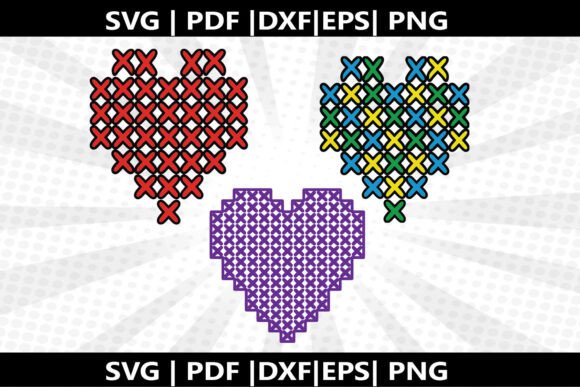
As an embroidery designer who’s developed collections for indie clothing brands and Etsy sellers for over a decade, I opened Cross Stitch X SVG Cricut Cut File expecting charm—but what stood out immediately was its intentional balance. It reads as both nostalgic and fresh: the cross-stitch motif carries that handmade warmth, yet the clean vector lines and crisp negative space give it modern versatility. It’s not overly ornate, nor is it minimal to the point of blandness. Instead, it lands in that sweet spot—feminine without being fussy, playful without sacrificing polish. For boutique apparel, especially neutral-toned sweatshirts and pastel hoodies, this design feels like quiet confidence: recognizable at a glance, but never shouting.
How It Performs Across Real Apparel Surfaces
I tested Cross Stitch X SVG Cricut Cut File across several garment types common in small-batch production—starting with midweight cotton-blend sweatshirts and fleece-lined hoodies. On chest placement (standard 3.5"–4" width), the design holds clarity beautifully. Its open structure avoids excessive stitch density, which means less puckering on ribbed fabric or curved surfaces like hoodie kangaroo pockets. For sleeve accents or back designs, the balanced proportions scale well—no distortion, no visual heaviness.
On dark apparel—charcoal crewnecks, black denim jackets—the design shines when paired with high-contrast thread colors like ivory, mustard, or soft sage. Because it’s a vector-based SVG, it adapts cleanly to printable mockups and lifestyle product photos, helping Etsy sellers maintain visual consistency across listings and Instagram posts. As a digital embroidery file, it integrates smoothly into commercial embroidery workflows—though designers should always confirm file compatibility with their machine software before digitizing.
Where to Use It—and Where to Pause
Cross Stitch X SVG Cricut Cut File excels in low-stretch, stable zones: chest panels, tote bag centers, and flat front pockets on oversized garments. But caution applies where fabric moves: avoid placing tight clusters of detail directly over shoulder seams or elbow bends on stretchy knits. On fleece or thick terry, test stabilizer choice carefully—medium-weight cutaway works best to prevent shifting during hoop tension. And while the lettering is legible, tiny text elements may soften on coarse fabric textures; consider simplifying or enlarging for small chest placements on youth-sized tees.
For curved surfaces—like the rounded front of a cropped hoodie—slight repositioning helps preserve symmetry. Always run a test on scrap fabric matching your final garment’s weight and weave. That step alone saves hours when prepping for a seasonal drop.
Smart Pairings for Sweatshirt Embroidery & Hoodie Design
- Neutral sweatshirts: Ivory thread on oatmeal heather creates subtle, elevated texture.
- Pastel hoodies: Dusty rose thread on mint or lavender adds gentle contrast without overwhelming.
- Dark apparel: Cream or pale gold thread delivers refined visibility—ideal for premium boutique branding.
- Oversized garments: Centered back placement (scaled to 5.5") reads boldly in lifestyle photography.
- Tote bags & denim jackets: Works equally well as a standalone emblem or paired with minimalist typography.
Why It Strengthens Your Boutique Brand Identity
In a crowded handmade market, consistency builds trust. Cross Stitch X SVG Cricut Cut File supports that—not by forcing uniformity, but by offering a signature motif that feels intentional and repeatable. When used across a collection (e.g., matching sweatshirts, totes, and gift tags), it quietly reinforces brand recognition. Buyers begin to associate that cross-stitch rhythm with quality, care, and cohesion—even before reading your shop name.
It also elevates perceived value. A thoughtfully placed, well-executed machine embroidery design signals craftsmanship far more than a generic heat-transfer. For Etsy sellers and small shop owners, that distinction translates directly into higher average order value and stronger customer retention. Plus, because it’s part of Creative Fabrica’s Freebies category, it lowers the barrier to experimenting with new visual language—no need to commit budget before validating demand.
Practical Notes Every Embroidery Designer Should Keep Handy
Before launching your next custom apparel line using Cross Stitch X SVG Cricut Cut File, here’s what I always double-check:
- Test on scrap fabric—especially if working with new fabric blends or finishes.
- Review stabilizer choice: Cutaway for stability on knits, tear-away for woven cottons.
- Confirm thread color contrast against your base garment under natural and artificial light.
- Verify hoop size compatibility—some versions may require repositioning for smaller hoops.
- Inspect stitch density visually in your embroidery software; adjust fill angles if needed for smoother coverage on fleece.
- Compare placement options across multiple garment mockups to ensure consistent visual hierarchy.
- Check Creative Fabrica product details thoroughly—including licensing terms—before selling finished apparel commercially.
Final Thoughts for Creative Entrepreneurs
Cross Stitch X SVG Cricut Cut File isn’t just another digital embroidery file. It’s a flexible visual anchor—a motif that bridges tradition and trend, craft and commerce. Whether you're building a cozy seasonal capsule, refreshing your Etsy shop’s bestsellers, or designing merch for a micro-influencer collab, it offers reliable aesthetic grounding. Its strength lies in restraint: no excessive detail to complicate digitizing, no rigid styling to limit reinterpretation.
As a Graphics asset from Creative Fabrica, it invites creativity—not constraint. Used intentionally, it becomes part of your brand’s visual vocabulary: quiet, confident, and unmistakably handmade.