Halloween Spooky Embroidery Design
First Impressions: Whimsy with Wearable Intent
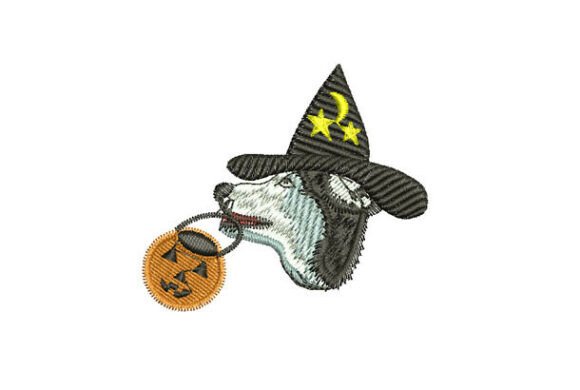
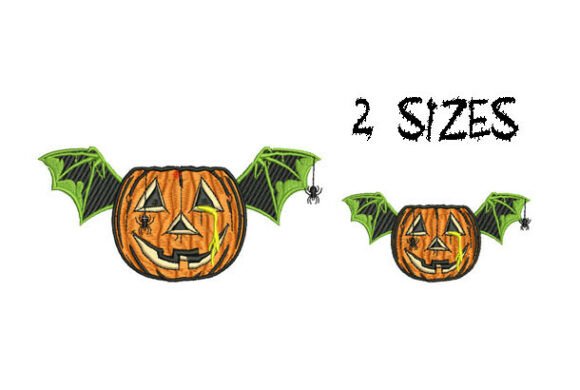
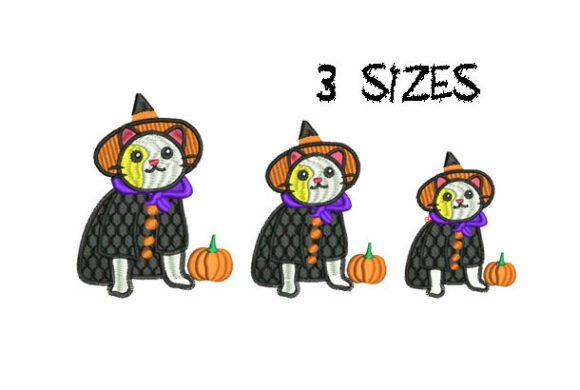
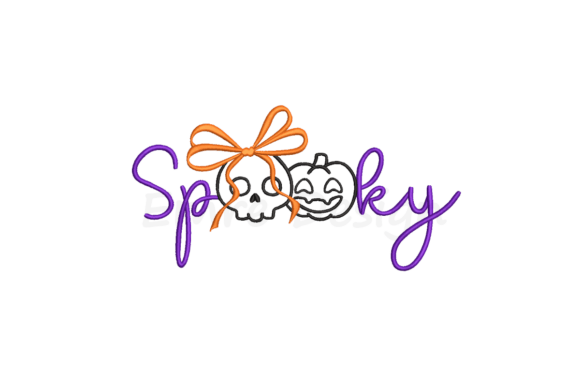
When I opened the Halloween Spooky Embroidery Design file, I wasn’t met with clichéd bats or jagged “BOO!” lettering — instead, it’s a compact, balanced composition: a friendly ghost, a crooked jack-o’-lantern, and a tiny black cat arranged in a gentle arc. The lines are clean but not rigid; there’s subtle curve to the ghost’s swirl and soft tapering on the pumpkin stem. It reads as *playful*, not spooky — perfect for families, boutique baby items, or light-hearted holiday merchandise. As a designer who’s stitched hundreds of seasonal files, I immediately saw its versatility: this isn’t just decoration — it’s a storytelling element that invites warmth into Halloween.
A Real-World Test: Stitching It on a Linen-Cotton Kitchen Towel
Last week, I prepped a batch of custom tea towels for a local café’s October pop-up. I chose medium-weight linen-cotton blend — textured, absorbent, and popular with customers who value handmade authenticity. I loaded the Halloween Spooky Embroidery Design into my machine, hooped it with tear-away stabilizer (lightweight, since the fabric isn’t overly stretchy), and ran a test stitch on scrap first. What stood out? The satin stitch outlines held crisp definition on the slightly nubby surface, and the fill stitches settled evenly without pulling or gapping. No re-hooping needed. The finished towel felt cohesive — not “embroidered on,” but *integrated*. Customers picked it up, smiled, and asked, “Is this your own design?” That’s the quiet win: when a machine embroidery design feels intentional, not generic.
Where It Shines — And Where It Needs Thought
This design works beautifully across several high-demand categories:
- Custom apparel: On crewneck sweatshirts (left chest placement), the proportions stay legible even at 3.5” wide — no distortion, no thread buildup.
- Tote bag design: Centered on natural canvas, it balances weight and charm without overwhelming the bag’s utility.
- Baby embroidery: On a cotton onesie (with cutaway + topping), the smooth satin edges avoid scratchiness — critical for sensitive skin.
- Embroidered patch: Clean outer edge and moderate stitch density make it ideal for iron-on or sew-on patches used in craft fairs or Etsy listings.
- Holiday embroidery for small shop products: It scales well for pillow covers, aprons, and nursery decor — all areas where customers seek personality without visual noise.
But let’s be practical: this isn’t a one-size-fits-all solution. Use caution on:
- Thin or highly stretchy fabric — like lightweight jersey or ribbed knits — unless you add topping and reduce top tension. The fine details (cat’s whiskers, ghost’s smile) can blur without support.
- Dark fabric with light thread — especially if using standard 40-weight poly. Test contrast first: what reads clearly on white may vanish on navy unless you adjust underlay or add a shadow layer.
- Caps or curved surfaces — the layout isn’t optimized for front-panel cap hoops. You’d need to simplify or reposition elements manually.
- Frequent-wash items — like kids’ tea towels or baby bibs — confirm stitch density isn’t so tight it’ll stiffen or crack over time. A quick wash-and-dry test on a sample is non-negotiable.
What It Adds to Your Finished Product — Beyond Stitches
As an Etsy seller and craft business owner, I judge designs not just by how they stitch, but how they land with buyers. The Halloween Spooky Embroidery Design elevates perceived value: it reads as curated, not clip-art. That matters for giftability — a personalized gift with this design feels considered, not rushed. For boutique branding, it supports consistency: pair it with neutral packaging and simple typography, and you’ve got a cohesive seasonal line. And because it avoids overused tropes, it builds trust. Customers recognize effort — and they pay more for it.
Designer Notes You Can’t Skip
Before stitching for clients or listing on your shop:
- Always run a test on scrap fabric — match fiber content and weight to your final project.
- Check thread colors against your base fabric in natural light — monitor previews lie.
- Review stitch density — dense fills look rich on stable fabrics but can pucker on knits.
- Confirm hoop size compatibility — does it fit your most-used hoop without scaling?
- Inspect small details — zoom in on the file preview: are the cat’s ears fully digitized? Is the pumpkin’s grin a clean satin column or a fragile running stitch?
- Test in black-and-white mockups — helps spot contrast issues before stitching.
- Use proper stabilizer — tear-away for stable wovens, cutaway for knits, topping for textured surfaces.
- Verify licensing — since this is listed under Freebies, double-check whether commercial use (e.g., selling embroidered tote bags or digital embroidery file bundles) is permitted. When in doubt, contact the source.
Final Thought: A Thoughtful Tool, Not Just a Trend
The Halloween Spooky Embroidery Design doesn’t shout. It leans in — softly, confidently — with charm that lasts beyond October 31st. It’s the kind of machine embroidery design I keep in my go-to folder for last-minute client requests, holiday markets, and personal gifts that feel special without trying too hard. For embroidery designers, craft business owners, and Etsy sellers, it’s not just another freebie. It’s a reliable, expressive asset — one that earns its place on real fabric, real products, and real people’s shelves.