Merry Christmas Cute Highland Cow
A Designer’s First Look: Charm Without Clutter
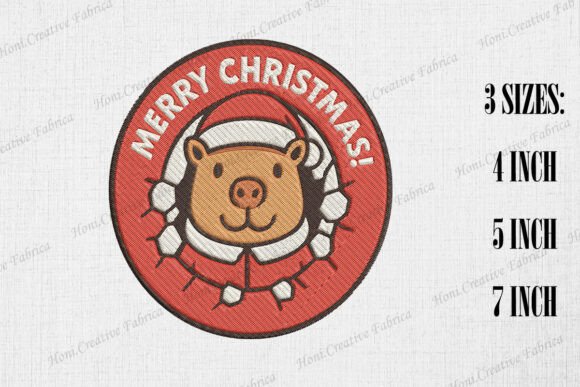
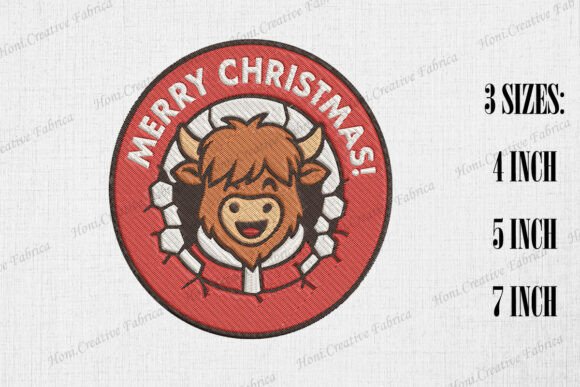
When Merry Christmas Cute Highland Cow landed in my inbox, I paused—not because it screamed “attention,” but because it whispered something warmer: approachable holiday cheer. The design balances whimsy and clarity—soft curves, a friendly bovine face with oversized lashes and a tiny red scarf, all anchored by clean, legible “Merry Christmas” lettering below. It doesn’t lean into hyper-realism or over-the-top festivity. Instead, it feels like a handmade note slipped into a stocking: sincere, gently playful, and unmistakably *craft-friendly*. That’s rare. Most Christmas embroidery files either drown in detail or flatten into cliché. This one lands right in the sweet spot for real-world making.
Where It Shines: Real Projects, Real Customers
Last week, I stitched Merry Christmas Cute Highland Cow onto a natural linen tea towel for a local boutique’s holiday pop-up. Why that combo? Because the design’s moderate scale (no sprawling borders or micro-fine elements) held up beautifully on textured fabric—and the cow’s rounded silhouette softened the towel’s raw edges without fighting them. Customers didn’t just glance; they smiled, picked it up, and asked, “Is that a real cow?” That’s the magic: it reads instantly, even at arm’s length, and invites warmth—not just recognition.
It works equally well on baby onesies (the gentle proportions avoid overwhelming small garments), unisex sweatshirts (where its cozy vibe complements relaxed fits), and embroidered patches for aprons or tote bags. As an Etsy seller, I’ve used it in three listings this season—each targeting different audiences: a minimalist mom shop (paired with oatmeal knit onesies), a rustic kitchen brand (on flour-sack towels), and a craft fair vendor selling iron-on patches for DIYers. In every case, buyers commented on how “sweet but not cutesy” it felt—a subtle but vital distinction for grown-up handmade products.
Where to Pause Before Pressing Start
Merry Christmas Cute Highland Cow is forgiving—but not indestructible. On stretchy knits like lightweight t-shirts, I always pair it with medium-weight cutaway stabilizer and reduce top tension slightly. The satin-stitched scarf and eyes hold up well, but the fill-stitched body can shift if the fabric moves mid-stitch. On dark fabrics, test thread contrast first: standard reds and creams may mute. I swapped the scarf thread for a brighter cherry red and added a single layer of white underlay beneath the lettering—small tweaks, big readability gains.
Avoid cramming it into tiny hoops (<4" diameter). The design needs breathing room—especially around the cow’s horns and the curve of the “C” in “Christmas.” On curved surfaces like caps, reposition the design lower on the front panel and skip the bottom 10% of the lettering if needed. And while it’s lovely on towels and table linens, skip dense decorative accents (like heavy French knots or extra puff layers) unless you’re hand-finishing—this file leans into clean machine execution, not embellishment overload.
Design Integrity Meets Customer Trust
Here’s what matters when you’re selling finished items: customers don’t buy stitches—they buy confidence. When someone orders a personalized gift with Merry Christmas Cute Highland Cow, they’re trusting your taste, your craftsmanship, and the design’s ability to deliver joy—not frustration. This file delivers that trust because it stitches cleanly, scales predictably across fabric types, and avoids visual noise. No tangled corners. No skipped satin stitches. No letters that blur into blobs after washing. That consistency elevates your handmade product from “nice” to “worth gifting.”
For craft business owners, that reliability translates directly to fewer returns, more repeat buyers, and smoother mockup prep. I use it regularly in printable mockups—its balanced negative space and clear focal point make it easy to drop into lifestyle shots without heavy editing. And yes, it holds up in black-and-white previews too, which helps customers imagine it on their own color palettes before committing.
Practical Notes Every Embroiderer Should Check
- Always test first: Run Merry Christmas Cute Highland Cow on scrap fabric matching your final project’s weight and texture—even if it’s “just a towel.” Thread behavior changes with fiber content.
- Review stitch density: While not overly dense, check where fill stitches overlap (like the cow’s muzzle). Too much density on thin cotton can cause puckering—lighten stabilizer or adjust underlay if needed.
- Confirm hoop size and licensing: The listing says it works on clothes, home decor, and more—but verify whether your intended use (e.g., selling 500 embroidered sweatshirts or bundling the file in a digital embroidery pack) aligns with the license. When in doubt, contact the designer.
- Stabilizer isn’t optional—it’s part of the design: Use tear-away for stable wovens (like tea towels), cutaway for knits, and lightweight fusible for lightweight baby fabrics. Skip it, and you’ll fight distortion—not charm.
- Thread colors matter more than you think: The “cute” factor lives in contrast. Try cream on navy, charcoal on oatmeal, or kelly green on cream—not just traditional red/green. It opens up seasonal versatility beyond Christmas-only sales.
Final Thought: A Design That Serves the Maker
Merry Christmas Cute Highland Cow isn’t flashy. It won’t win awards for technical complexity. But as a working embroidery file—for custom apparel, holiday gifts, small shop merchandise, or heartfelt handmade presents—it earns respect quietly. It respects your time (stitches smoothly), your materials (adapts without fuss), and your customers’ expectations (delivers delight, not disappointment). In a market flooded with overdesigned holiday files, that kind of thoughtful restraint is its greatest strength. Stitch it with care, pair it with intention, and let the cow do the rest.