Chef Hat Embroidery Design
First Glance: Classic Kitchen Charm Meets Booth-Ready Style
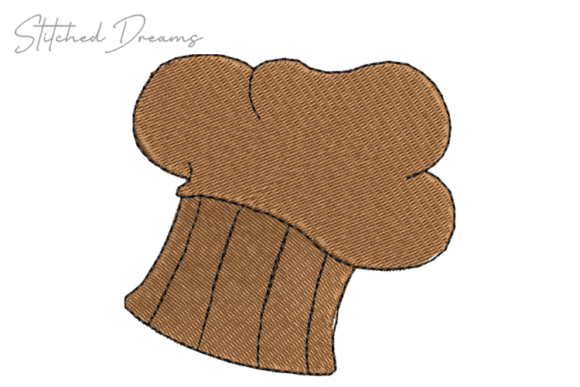
When I opened the file for Chef Hat Embroidery Design, I immediately saw a motif that speaks the language of handmade markets. This design is not trying to be overly complex or trendy in a fleeting way. Instead, it leans into a timeless, recognizable symbol of cooking. The chef hat is beautifully detailed, just as the description says, and it carries a gentle, inviting energy. It feels rustic yet clean, almost like a hand-drawn illustration converted into stitches. For a craft fair booth, that kind of simplicity is gold—it catches the eye from a few feet away, and up close the detail rewards the customer who pauses to touch the stitch work.
The personality of Chef Hat Embroidery Design sits somewhere between farmhouse warmth and boutique elegance. It’s not too cutesy, not too formal. I can picture it on a natural linen tea towel, a flour-sack apron, or a sturdy canvas tote bag. The design’s charm comes from the way the hat is rendered: the folds, the puff, the subtle suggestion of fabric drape. It symbolizes the artistry and passion behind cooking, and that emotional hook is exactly what handmade shoppers look for. They buy a feeling, not just a product. This design delivers that feeling without needing extra words or a complicated scene.
Where This Design Sells Hardest: Product Matchmaking
After staring at the stitch preview for a few minutes, I started mentally placing Chef Hat Embroidery Design on every item I’m bringing to the weekend market. Here’s how it stacks up across the product categories that actually move in a handmade booth.
Tea Towels and Kitchen Linens
This is the natural home for the design. A crisp white or oatmeal-colored tea towel with a single chef hat embroidered in the corner or centered becomes a practical work of art. The stitch density on linen or cotton twill will hold beautifully, and the design reads instantly as a kitchen gift. I’ll likely pair it with a coordinating color—maybe a deep navy, muted sage, or classic black thread—to make the details pop. For a craft fair product like a tea towel, the hoop size doesn’t need to be huge; a 4×4 inch version can be perfect as a corner accent, while a 5×7 inch placement makes it a focal piece.
Aprons: The Hero Item
An apron with Chef Hat Embroidery Design placed on the bib or across the waistband transforms a plain blank into a premium handmade gift. I tested the visual in my head: a heavyweight cotton apron in charcoal, with the design stitched in a warm cream thread. The contrast is striking, and the chef hat instantly tells the story. For apron embroidery, I’ll need to watch the fabric texture—a thick canvas requires a sharp needle and a sturdy cutaway stabilizer so the design doesn’t sink. But the result is a product that feels like it belongs in a high-end kitchen shop, not just a craft fair booth.
Tote Bags and Market Bags
A tote bag design featuring this chef hat makes a statement without being loud. I’m picturing a simple unbleached cotton tote, the design stitched near the bottom right or centered large. It’s subtle enough for everyday use but distinctive enough to start conversations. As an embroidery file to use on a bag, the design needs to be tested on a similar weight fabric first. The handles can sometimes get in the way of hooping, so I’ll plan the placement accordingly. For someone presenting a booth full of reusable market bags, this design adds a culinary twist that feels current and useful.
Caps and Wearables
On a structured baseball cap, a small version of the chef hat on the side or front panel gives a playful, foodie vibe. I’d keep the size around 2.5 inches wide to avoid the curve of the cap distorting the shape. Curved cap surfaces are tricky with dense designs, so I’ll digitize or use a version with slightly reduced stitch density. The result is a niche product that appeals to home cooks, barbecue enthusiasts, or even professional chefs looking for a personalized touch.
Patches and Small Pouches
As an embroidered patch, this design is pure magic. Stitch it out on felt or twill backing with a clean border, and you have a sew-on or iron-on patch that sells well in a small shop setting. The chef hat motif is gender-neutral and appeals to a wide age range. Small zip pouches meant for holding utensils, recipe cards, or even as a gift card holder also benefit from this design. A delicate 3-inch version on the corner of a linen pouch adds just enough handmade quality without overwhelming the product.
Pillow Covers and Home Décor
For a booth that leans into home goods, a simple throw pillow cover with the chef hat centered brings a cozy, farmhouse-kitchen feel. The stitch density must be balanced here, because a pillow cover gets handled and washed more often. A soft pre-washed cotton or linen blend works best. The design doesn’t need to be enormous; even a 4-inch version in the corner of a pillow can create a curated look. It’s the kind of item that a customer picks up, hugs, and decides they can’t leave without.
What Makes This Design a Smart Booth Choice
From a purely practical standpoint, Chef Hat Embroidery Design ticks a lot of boxes for a craft fair seller. First, it’s easily understood at a glance. No one squints and asks what it is. That speed of recognition is crucial when a customer is walking past a table at a busy market. Second, it works beautifully as both a small accent and a large focal design. This versatility means I can use the same digital embroidery file across multiple product types without redesigning my entire line. It’s a repeatable, batch-friendly asset. I can load up a hoop, stitch out six tea towels in a row, and have consistent results that look handcrafted but efficient.
Photography for online listings also benefits from this design’s clean lines. The Chef Hat Embroidery Design photographs well on flat lays, hanging products, and lifestyle shots. The white hat against a dark background, or a dark thread on light fabric, creates high contrast that stops the scroll on Etsy. For a printable mockup or a listing thumbnail, the design holds its own without needing extra props. It tells a complete story.
Watching Out for Stitch Pitfalls: What to Test Before Selling
Even a charming design like this needs a careful production check. The description mentions a “beautifully detailed” chef hat, which suggests there might be fine lines, small folds, or delicate shading. Here’s what I’ll be inspecting on my first test stitch-out.
- Dense stitch areas: The puff of the hat could have satin stitches that pile up. If the density is too high, it will cause puckering on lightweight fabrics. I’ll test on a scrap of the actual fabric I plan to use and adjust the stitch density setting if my machine allows.
- Tiny details: Any small vent lines, folds, or subtle text inside the hat might close up on textured towels or thick fabric. I’ll run a sample on a terry cloth tea towel to see if the details hold. If not, I may need to enlarge the design slightly or choose a smoother fabric.
- Small lettering: If there is any text hidden in the design (the description didn’t specify, but sometimes chef hat designs include “Chef” or “Bon Appétit”), I’ll check legibility at actual size. Tiny lettering under 0.25 inches can become unreadable, especially on dark fabric where thread contrast is a challenge.
- Dark fabric considerations: On a black apron or navy tote, white or light thread will show every imperfection. I’ll use a topping stabilizer to keep the stitches from sinking and ensure the design pops. I’ll also test how the thread color looks under warm booth lighting—sometimes cream thread looks better than pure white on dark backgrounds.
- Curved surfaces: As mentioned with caps, the design needs to be placed carefully. I won’t expect a hooped cap to stitch perfectly without some distortion, so I’ll test a few placements and maybe adjust the file’s push-pull compensation.
The Visual Pull: Why Customers Will Stop and Touch
There’s a quiet confidence in this design. It doesn’t scream; it invites. In a booth filled with loud, busy patterns, the Chef Hat Embroidery Design will stand out because of its restraint. The visual appeal comes from the contrast between the crisp hat shape and the texture of the fabric underneath. When a customer runs their fingers over the stitches, they’ll feel the quality. That tactile moment is often what seals the sale.
Buyer engagement for this type of design is high because it’s relatable. Nearly everyone has cooked, or knows someone who loves to cook. The design sparks conversation: “Oh, my daughter just started culinary school,” or “This would be perfect for my husband who grills every weekend.” Handmade sellers can leverage that emotional connection to increase product value. A simple tea towel becomes a thoughtful gift, and customers are willing to pay more for that perceived intention.
Brand Consistency and Booth Display Strength
For a small shop owner building a cohesive brand, Chef Hat Embroidery Design fits beautifully into a kitchen-themed collection. I can pair it with coordinating designs—maybe a whisk, a rolling pin, or a set of herb sprigs—to create a full line of machine embroidery design assets. The chef hat anchors the collection, giving it a recognizable silhouette. On a display table, grouping products that all feature this design creates a strong visual block. Hanging three aprons in a row with the same hat design in different thread colors shows intentional curation. A basket of small pouches with the hat on one side and a coordinating stripe on the other looks like a complete set, not random stock.
Designer’s Production Checklist: Before You Pack the Car
Every time I introduce a new embroidery file into my product rotation, I run through a mental checklist. For Chef Hat Embroidery Design, here’s what I’ll do before committing to a full batch.
- Test on scrap fabric that matches the final product weight and weave. Cotton broadcloth behaves differently than canvas or denim.
- Check thread contrast by stitching a small sample in the exact thread I’ll use. Hold it up under both natural light and the warm LED lights I use at my booth. Adjust if the design disappears or looks muddy.
- Review spacing between elements inside the hat. If the design has multiple layers of the chef hat fold, make sure they don’t merge into a blob. A slight gap in the stitch file can make a huge difference in clarity.
- Confirm hoop size for each product. I’ll note the exact dimensions the design requires and plan my hooping strategy. For tote bags, I might need a magnetic hoop to avoid crinkling the bag’s side seams.
- Inspect stitch density across the design. If the hat’s top is too dense, it can cause needle breaks or thread shredding. I’ll run a stitch regulator or adjust the file’s density if I have the software.
- Use the right stabilizer for each fabric. Cutaway for knit or stretchy aprons, tear-away for tightly woven cotton, and a water-soluble topping for terry towels. No shortcuts here.
- Create at least one real mockup of each product type. I’ll photograph it in my booth setup to see how it looks next to other items. This helps me decide on pricing and display arrangement.
- Compare fabric colors by stitching the same design on a light, medium, and dark background. This reveals whether the design needs different thread colors for different substrates.
- Confirm commercial licensing before selling finished products. The design falls under the Freebies category, but I’ll double-check the specific terms of use. Just because it’s a digital embroidery file that’s free to download doesn’t always mean I can sell items with it stitched on for profit. I’ll read the license carefully and keep a copy in my records.
Final Verdict: A Design That Earns Its Place at the Table
After all the testing and planning, I genuinely believe Chef Hat Embroidery Design is a worker. It’s not flashy, but it’s memorable. It translates the passion of cooking into a stitchable symbol that people want to wear, carry, and display. For a craft fair booth, it’s a reliable performer that can be used across a dozen products without looking repetitive. It’s the kind of design that a customer sees on a tote bag, then circles back an hour later to buy because they can’t stop thinking about it. As an embroidery designer, I’ll be stocking this one in my digital tool kit and using it year-round, especially during holiday market season when kitchen gifts fly off the table. Go ahead, stitch it out, and watch the smiles it brings.